First Grade: A Craft Fair-Ready Embroidery Design
First Impression: Cute, Clear, and Instantly School-Spirited
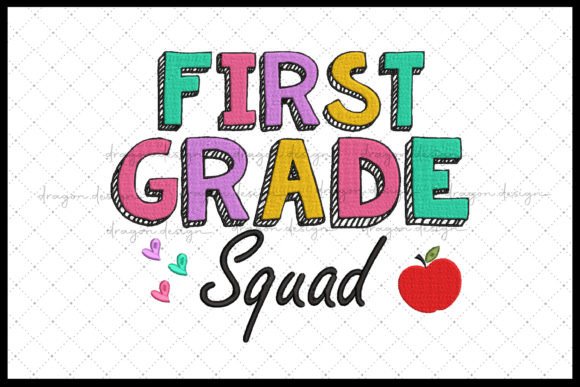
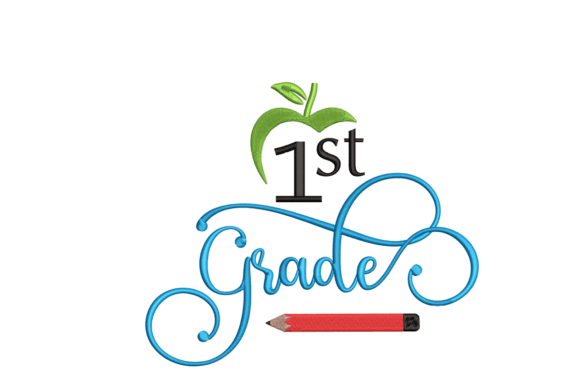
As an embroidery designer who’s prepped over 200 craft fair booths—from Portland makers’ markets to Midwest county fairs—I opened First Grade expecting charm, not clutter. And it delivered: clean lines, friendly proportions, and a warm, approachable energy that reads as “cute” without tipping into cutesy overload. It’s not rustic, not modern-minimalist, not vintage-farmhouse—First Grade lives in that sweet, commercially resonant space: joyful, age-appropriate, and unmistakably Back To School. That matters when your booth has 90 seconds to grab attention from a parent juggling backpacks and lunchboxes.
Where First Grade Shines on Real Craft Fair Products
This machine embroidery design isn’t just versatile—it’s *strategic*. On a natural canvas tote bag? Perfect. The lettering stays legible at 4.5", the iconography (think chalkboard motifs or simple apple accents implied by the description) reads clearly from three feet away, and it pairs beautifully with neutral or muted denim fabrics—no competing patterns needed. As an apron embroidery piece centered above the pocket? It adds instant personality without overwhelming the wearer. On a linen tea towel embroidery sample pinned to your display board? It photographs cleanly for Instagram Stories and Etsy listings—soft texture enhances, not obscures, its clarity.
First Grade also excels as an embroidered patch: small enough for kids’ backpacks or denim jackets, yet bold enough to hold up in a crowded vendor row. On a structured cap? Use it as a subtle side-embroidery—not a full front logo—so it feels handmade, not mass-produced. For small shop owners selling handmade product like fabric pouches or pillow covers, First Grade works best at 3–4" wide: large enough to feel intentional, small enough to maintain stitch integrity on curved seams or tight corners.
What Makes It Sell—Beyond Cuteness
Three things make First Grade a quiet sales driver: speed, scalability, and emotional resonance. Parents shopping for teacher gifts or first-day-of-school keepsakes respond instantly to its warmth and simplicity. It feels handmade, not digital—especially when stitched with high-contrast thread colors (navy on cream, kelly green on oat, brick red on ivory). As a digital embroidery file, it’s likely optimized for quick hooping and minimal thread changes—critical when you’re stitching 30+ items before Saturday morning.
For Etsy sellers and small-batch producers, First Grade supports strong printable mockup variety: one file can generate listings for totes, tea towels, patches, and aprons without visual fatigue. That consistency strengthens your brand story across product types—especially if you’re building a cohesive Back To School collection. And yes—it photographs well. Flat-lit on matte paper or draped naturally over a wooden crate, it retains definition and charm. No heavy editing needed.
Production Notes Every Embroidery Designer Should Check
Before cutting fabric or loading hoops, treat First Grade like any commercial embroidery asset—test it. Here’s what I always verify:
- Stitch density: Does it run hot on thick cotton twill or textured terry? If so, reduce underlay or add lightweight cutaway stabilizer.
- Lettering scale: Tiny script or condensed fonts often blur on dark fabric or low-thread-count tea towels. Confirm readability at your intended size—especially for school-themed items where clarity matters.
- Hoop size & spacing: Does it fit comfortably in your most-used hoop? Tight spacing between elements risks skipped stitches on curved surfaces like caps or pouch gussets.
- Fabric texture vs. design detail: Avoid placing First Grade on heavily napped fleece or bouclé—fine lines vanish. Stick to smooth weaves: cotton poplin, linen-cotton blends, medium-weight denim.
- Thread contrast: Test on your top 3 fabric colors. What reads as cheerful on ivory may disappear on charcoal unless you adjust thread saturation or add outline stitches.
Careful-Use Scenarios—Where First Grade Needs Extra Attention
Don’t assume “fun and easy to stitch” means zero prep. On dark fabric, tiny details (like subtle chalk-dust dots or fine stems on an apple motif) risk vanishing—add a white underlay or switch to tonal metallic thread for lift. On textured kitchen towels, avoid placing First Grade directly over dense terry loops; center it on the smoother woven border instead. For curved cap fronts, confirm the design’s width fits your cap’s embroidery field—and consider simplifying optional flourishes if stitch count spikes near the bill curve.
Why First Grade Strengthens Your Booth & Brand
In person, First Grade performs like a silent ambassador. It draws parents, teachers, and gift shoppers—not with loud graphics, but with genuine, nostalgic warmth. Mounted on a mini framed pillow cover beside a stack of embroidered totes, it signals quality, care, and market awareness. As a craft fair product, it elevates perceived value: customers pay more for embroidery that feels intentional, not generic. And because it’s rooted in a seasonal, high-intent theme (Back To School), it supports cross-selling—pair it with monogrammed pencil rolls or “World’s Best Teacher” tea towels for instant bundles.
For digital sellers, First Grade is a smart design asset: low-risk to produce, high-recognition potential, and evergreen appeal beyond August—it works year-round for homeschoolers, tutoring businesses, or classroom decor. Just remember: before listing finished products, confirm commercial licensing applies to this embroidery file. Not all machine embroidery design packages include rights for resale of physical goods—verify before you stitch your first batch.
Final Thought: Stitch It, Show It, Sell It
First Grade isn’t just another embroidery download. It’s a thoughtful, booth-tested tool—one that balances charm with clarity, simplicity with distinction. When you hang that first embroidered tote on your display rack, or pin a patch to your sample board, First Grade does the work of inviting conversation, signaling craftsmanship, and anchoring your small shop product in something real: the joyful, nervous, hopeful energy of a new beginning. That’s not just design—that’s connection. And that’s what sells.