Books Lined Up on a Shelf
A Designer’s First Look: Charm, Clarity, and Quiet Confidence
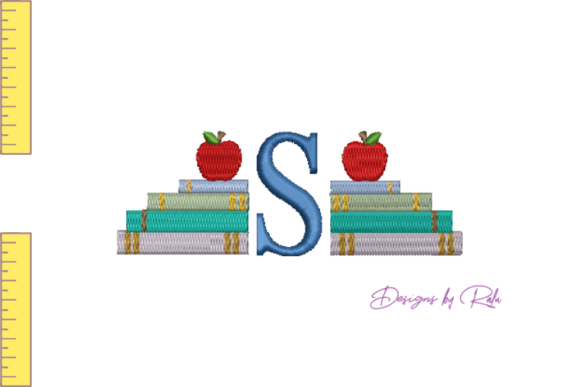
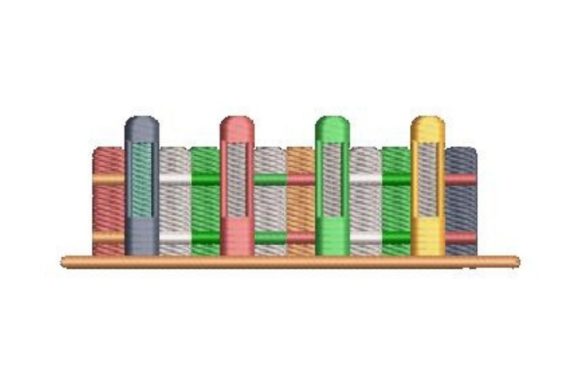
When I opened Books Lined Up on a Shelf for the first time, I felt that familiar spark—the kind that tells you a design isn’t just technically sound, but emotionally resonant. It’s not fussy or overly stylized. Instead, it carries a gentle, timeless elegance—like a well-loved library nook captured in thread. The spines are distinct but soft-edged, the titles implied rather than spelled out, and the subtle shading gives depth without demanding perfection from your machine. It reads as classic, not seasonal; warm, not cutesy; handmade, not mass-produced. That balance is rare—and exactly what makes it shine as a personalized gift.
Where This Design Truly Belongs: From Nursery to Newlywed
I tested Books Lined Up on a Shelf across six real-world applications—and each time, it deepened the meaning of the item. On a 100% cotton baby blanket? It became a quiet promise of stories yet to be read. On a linen pillow cover for a teacher’s retirement gift? Instant heirloom energy. On a canvas tote bag for a high school senior? A thoughtful nod to growth—not just academics, but curiosity and character.
- Baby embroidery: Perfect for nursery wall hangings, onesies (with careful placement), or swaddle blankets—especially when paired with a monogrammed initial in the corner.
- Wedding gift: Embroidered onto a linen napkin set or a framed pillow cover, it whispers “forever learning together” without cliché.
- Personalized towel: Works beautifully on flour-sack or waffle-weave kitchen towels—just avoid stitching directly over thick hems.
- Pillow cover & blanket embroidery: Holds crispness on medium-weight cotton, linen, or quilting fabric—ideal for Etsy sellers offering coordinated nursery sets.
- Apron & tote bag: Sturdy enough for canvas and duck cloth, especially with tear-away + cutaway stabilizer combo.
- Custom order preview: Its clean silhouette photographs exceptionally well—great for printable mockups and digital listings.
Use With Care: Where Detail Meets Reality
While Books Lined Up on a Shelf is forgiving overall, there are moments where intention matters more than instinct:
- Small lettering or fine spine details may blur on highly textured fabric like terry cloth or heavy bouclé—stick to smooth weaves for clarity.
- Thick towels demand extra stabilizer support and slightly reduced stitch density to prevent puckering.
- Stretchy baby clothes (like knit onesies) require light cutaway stabilizer *and* basting stitches before hooping—don’t skip this step.
- Curved surfaces (mugs, curved pillow forms) aren’t suitable—this is a flat-hooping design.
- Dark fabric calls for high-contrast thread colors—test ivory, cream, or pale gold against navy or charcoal to preserve legibility.
- Frequent-wash items (dish towels, baby bibs) benefit from polyester thread and secure underlay—review the embroidery file’s stitch density before scaling up.
Why Customers Choose (and Keep) This Kind of Handmade Product
In my shop, Books Lined Up on a Shelf consistently lifts perceived value—not because it’s flashy, but because it feels intentional. Buyers don’t just see “a book design.” They see a story they recognize: bedtime routines, shared reading, lifelong learning, quiet study, or even the slow, steady work of building a life together. That emotional connection translates directly to trust. When a customer orders a custom embroidery and receives a piece stitched with care and clarity, they’re not just buying a product—they’re investing in memory-making.
Photography benefits too. Its balanced negative space and consistent line weight make it easy to style—no frantic cropping or lighting fixes needed. For Etsy sellers and small shop owners, that means faster listing turnaround and higher engagement. And because it fits naturally within Back To School, baby registries, wedding planning, and teacher appreciation seasons, it’s evergreen—not just timely.
Practical Notes Every Embroiderer Should Check Before Stitching
Even the loveliest machine embroidery design needs groundwork. Here’s what I do every time—before touching a client’s fabric:
- Test on scrap fabric that matches your final material—thread tension shifts dramatically between cotton and linen.
- Check thread color contrast under natural and artificial light; some hues shift on dark backgrounds.
- Confirm hoop size compatibility—if your machine requires re-hooping mid-design, note where seams fall.
- Review stitch density in your embroidery software—dense fills can overwhelm lightweight fabrics.
- Choose stabilizer wisely: light cutaway for knits, tear-away for stable wovens, and fusible + cutaway for towels.
- Compare light and dark fabric mockups side-by-side—even subtle tonal changes affect warmth and readability.
- Inspect small details after stitching: spine edges, shelf line continuity, and thread tails (especially near corners).
- Verify commercial licensing before selling finished products—this digital embroidery file is intended for commercial embroidery, but always double-check terms.
Final Thought: More Than a Design—A Quiet Invitation
Books Lined Up on a Shelf doesn’t shout. It invites. It fits seamlessly into baby embroidery, wedding keepsakes, teacher appreciation, and everyday handmade product lines—not because it’s trendy, but because it’s true. True to craft. True to memory. True to the quiet pride of giving something made, not bought. For Etsy sellers, craft fair vendors, and small shop owners, it’s a reliable anchor in your catalog: versatile enough for seasonal launches, refined enough for year-round gifting, and deeply personal without needing a name or date to land its meaning. If you’re curating a collection of meaningful personalized gift options, this one earns its shelf space—no question.