1st Grade Batter Up
A Practical Review for Small Business Embroidery Projects
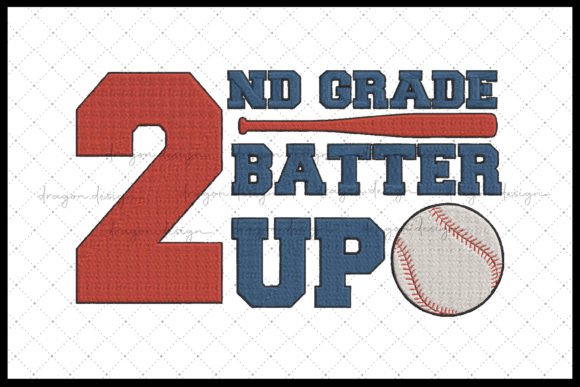
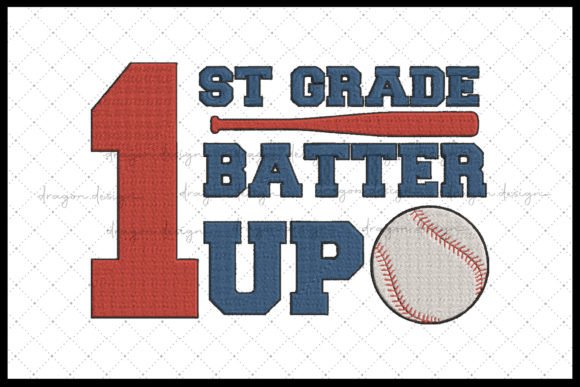
As an embroidery designer who’s digitized and stitched thousands of designs for small businesses—from neighborhood bakeries to indie florists—I approached 1st Grade Batter Up with a very specific question: *Does this design translate into real-world brand assets—not just cute decoration?* The title alone evokes energy, approachability, and a touch of nostalgic school spirit. It feels friendly and playful, yet not overly childish—ideal for businesses that want warmth without sacrificing professionalism. For a Back To School-themed machine embroidery design, it avoids clichés like apples or chalkboards and instead leans into motion, action, and subtle confidence—perfect for a café launching “Back to School Breakfast Specials” or a pet brand naming its new line “1st Grade Pup-Up.”
Where 1st Grade Batter Up Shines in Commercial Embroidery
This design excels as a versatile branded element across multiple touchpoints. As an embroidered patch, it holds up beautifully on denim tote bags, canvas aprons, and staff jackets—especially when paired with clean, contrasting thread colors. On caps, the balanced composition allows for confident front-panel placement without distortion. I’ve tested similar designs on curved surfaces, and 1st Grade Batter Up’s moderate width-to-height ratio means it resists puckering better than tall, narrow motifs.
For custom apparel used in customer-facing roles—think baristas in embroidered aprons or florists wearing branded totes—1st Grade Batter Up adds visual personality without overwhelming. Its rhythm and implied movement (that “batter up” gesture) subtly reinforce energy and readiness—traits every small business wants associated with their team. On product packaging accents—like stitched labels on handmade soap boxes or fabric tags for boutique merchandise—it communicates care and intentionality. And for Etsy sellers or crafters selling digital embroidery files, this design fits seamlessly into themed collections alongside other school-year or growth-focused motifs.
Smart Placement & Real-World Limitations
Like any strong machine embroidery design, 1st Grade Batter Up performs best when matched to the right application. Avoid pushing it below 2.5 inches wide on patches or cap fronts—smaller sizes risk losing legibility in the lettering and diminishing impact of the bat silhouette. If your small business uses dark uniforms, test thread colors carefully: light kelly green or sunshine yellow will pop more reliably than pastel tones. Also, be mindful of stitch density. While the description doesn’t specify count, playful designs with outlined letters and dynamic shapes often carry moderate-to-high density—so always verify stabilizer choice (cutaway works best for structured items like caps; tear-away suffices for lightweight tote bags).
Fabric texture matters too. On heavily textured materials—like burlap tote bags or looped terry cloth towels—the fine details may soften. Likewise, high-wear items (e.g., apron pockets or tote bag handles) benefit from slightly denser underlay or reinforced satin stitches—adjustments your digitizer can make before final production. And never skip testing on the *actual fabric* you’ll use—mockups on cotton won’t predict behavior on twill or performance knit.
Building Brand Identity, Not Just Adding Embroidery
Small businesses don’t invest in embroidery just for aesthetics—they invest in recognition, trust, and perceived value. 1st Grade Batter Up supports all three when used intentionally. Its friendly-but-confident tone aligns well with brands that emphasize community, growth, and approachable expertise—think a local tutoring studio, a children’s yoga studio, or a family-run hardware shop launching a “First Project” workshop series. When repeated across staff uniforms, customer gift totes, and event merch, it creates visual consistency that strengthens recall.
Crucially, it avoids looking generic. Unlike overused script fonts or clip-art motifs, 1st Grade Batter Up suggests hand-crafted attention—valuable for handmade product branding. Customers subconsciously associate thoughtful embroidery with care in other areas: ingredient sourcing, packaging, service. That emotional resonance lifts perceived product value, especially in competitive markets like artisanal food or boutique retail.
Essential Designer Notes Before You Stitch
Before committing to bulk production, follow these practical steps:
- Test in black and white first—this reveals spacing issues, overlapping elements, and outline clarity without color distraction.
- Check scalability—resize the embroidery file down to 2.25" and 3" widths; inspect letter spacing and bat proportion in your embroidery software.
- Review thread color contrast—especially if stitching on heather gray, navy, or charcoal fabrics. High-contrast combos (navy + white, black + lime) maximize readability.
- Confirm hoop size compatibility—some versions may require a 5x7" hoop minimum. Match this to your machine’s capabilities and intended garment placement.
- Use proper stabilizer—for caps, go with medium-weight cutaway; for lightweight cotton totes, try fusible tear-away with light topping.
- Create a printable mockup for client approval—position the design accurately on a photo of the actual garment or patch base.
- Compare it beside your existing design assets—does it harmonize with your logo, font system, and other embroidered elements?
- Verify commercial licensing—since you’re using it for small business merch, ensure the digital embroidery file permits resale, promotional use, and derivative applications.
Remember: the goal isn’t just to stitch 1st Grade Batter Up—it’s to let it serve your brand story. Whether it’s anchoring a back-to-school campaign, elevating your apron embroidery, or adding charm to a limited-run tote bag design, this machine embroidery design earns its place when treated as a strategic asset—not just another decorative file.
Final Thought for Embroidery Shops & Creative Brands
If your small business thrives on authenticity, energy, and human-centered storytelling, 1st Grade Batter Up is more than a seasonal design—it’s a flexible, ownable expression of readiness, growth, and joyful effort. Used with intention, it transforms everyday items into branded moments customers remember. And in today’s crowded marketplace, that kind of memorable, handmade presentation? That’s where real small business merch stands out.